Gastrointestinal Endoscopy

Gastroscopy – Colonoscopy - Orthosigmoidoscopy

Gastroscopy

Gastroscopy is an endoscopic procedure of the upper digestive tract and includes the examination of the esophagus, stomach and duodenum.

Symptoms such as abdominal pain, bloating and indigestion, heartburn, difficulty swallowing, diarrhea, unexplained weight loss, anemia, as well as preventive reasons, are some indications for performing a gastroscopy.

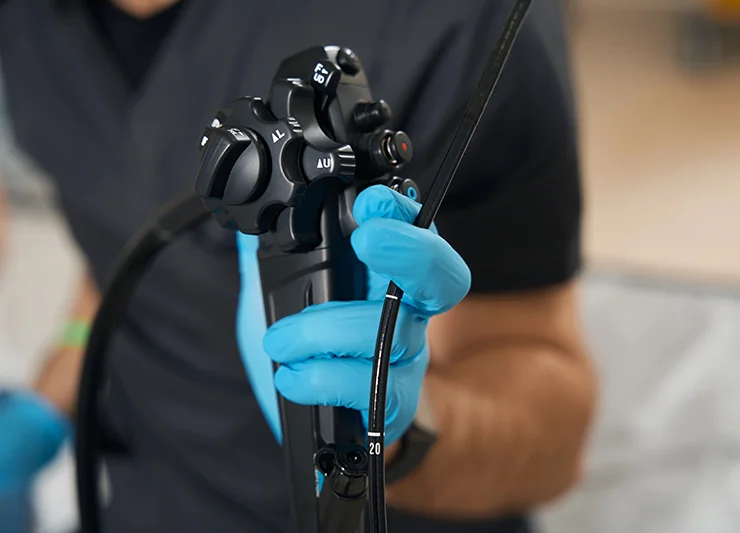
The endoscopy unit of the practice in Alexandroupolis is equipped with high-definition endoscopes, which can perform digital chromoendoscopy for the most detailed and specialized analysis of the mucosa. In this way, the identification of lesions not visible with conventional endoscopes is achieved and therefore targeted biopsies are taken. Depending on the indication, biopsies are taken from specific parts of the upper digestive tract.

The examination takes a total of 10-15 minutes and in the case of sedation, the patient must remain in the specially designed recovery area of ​​the clinic until the effects of the medications wear off. In the case of sedation, the patient is not allowed to drive on the day of the examination.

Colonoscopy

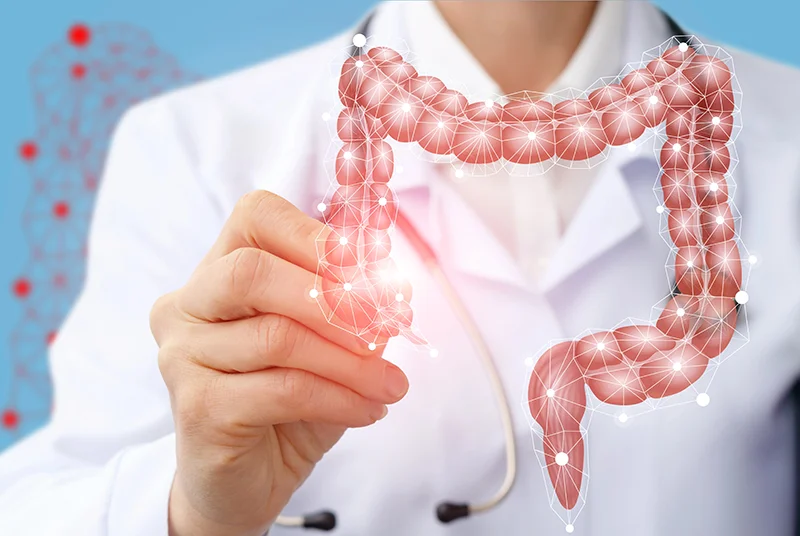
Colonoscopy is a method of examining the large intestine, rectum and, depending on the indication, a part of the small intestine (terminal ileum).

It is an excellent method of preventing colon cancer and is now recommended for all patients from the age of 45. Other indications include abdominal pain, diarrhea, weight loss, anemia, blood in the stool, known inflammatory bowel diseases, changes in bowel habits, or a family history of the disease.

It is essential to properly prepare the patient for a few days before the examination, so that even the smallest lesions or small polyps can be diagnosed. Polyps are small protrusions inside the intestinal wall and most of them are precancerous lesions. The purpose of preventive colonoscopy is to identify such lesions and completely remove them.

The private practice of gastroenterologist Sotiria Bedreli, in Alexandroupoli, is equipped with high definition colonoscopes with digital chromoendoscopy.

Digital chromoendoscopy is a method of analyzing the surface of the intestinal mucosa, thus making it possible to visualize lesions, e.g. precancerous lesions, not visible with conventional endoscopes.

Furthermore, colonoscopy is performed by insufflating carbon dioxide and not with atmospheric air. Carbon dioxide, unlike air, is absorbed and eliminated rapidly by the body; this makes the examination more tolerable, reduces the feeling of bloating after the examination, and also the possibility of intestinal perforation.

In case of sedation, the patient will be asked to recover in the specially designed area of ​​the practice until the effects of the medications wear off. On the day of sedation, the patient is not allowed to drive.


Orthoscopy – Orhtosigmoidoscopy

Orthoscopy or Rectoscopy is the endoscopic examination of the lower part of the large intestine, i.e. the rectum. In a rectosigmoidoscopy, the sigmoid colon is also examined, i.e. a total of approximately 20-30 centimeters of the lower digestive system are examined. In specific indications, such as re-examination after a polypectomy in this area, taking biopsies in inflammatory bowel diseases or in case of symptoms in this area, the doctor may recommend a rectosigmoidoscopy. Regarding the preparation before the examination, you will be given printed instructions. Sedation is not necessary for this examination.